IV Therapy for Winter Visitors Mesa AZ: Snowbird Guide
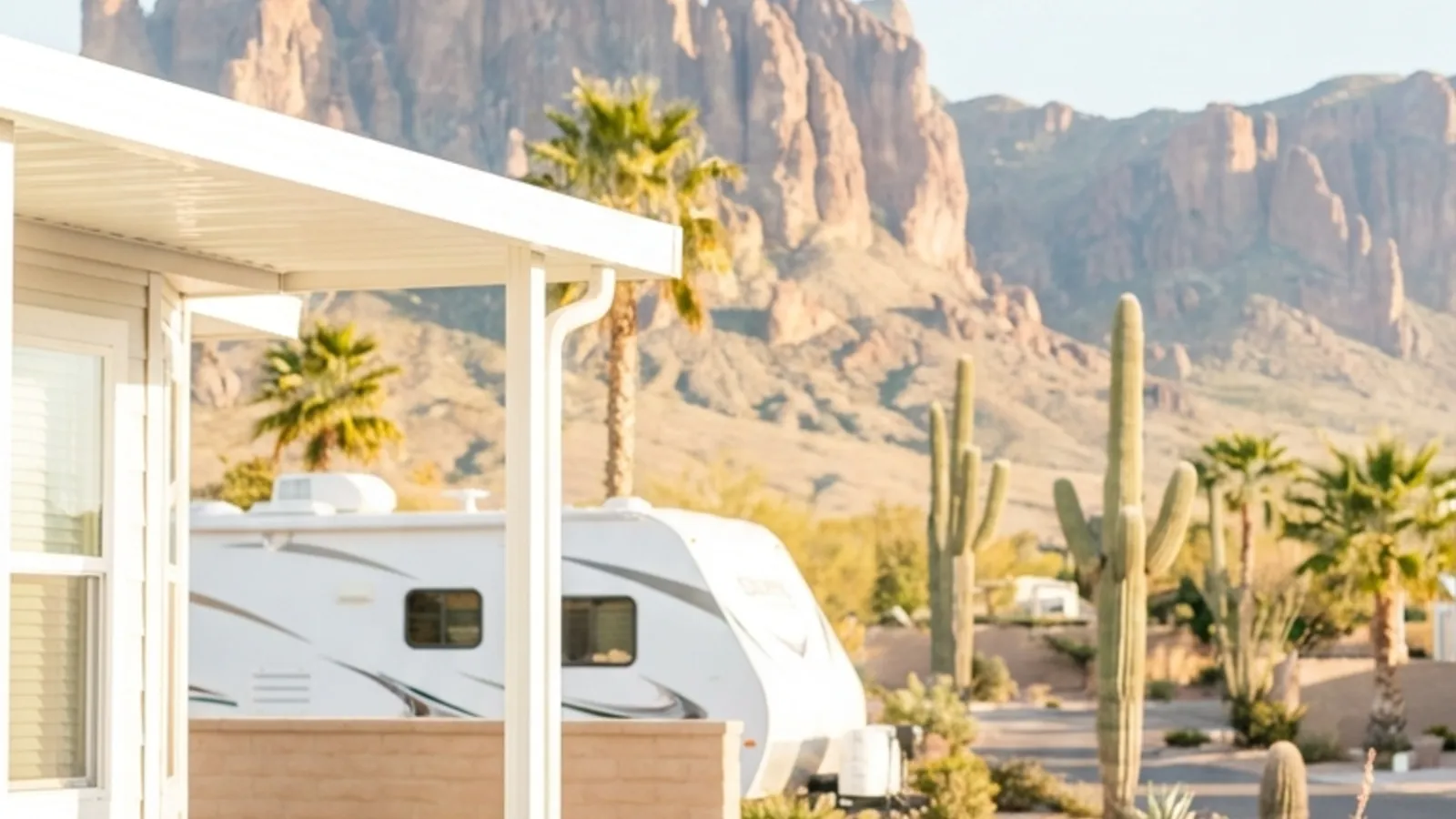
IV therapy for winter visitors Mesa AZ means a licensed nurse or paramedic comes to your RV site, park model, or 55+ community home and gives you fluids, electrolytes, and vitamins in about 30 to 45 minutes. Most snowbirds never need it. The ones who do usually hit the same three problems: a hard travel week, dry desert air, and the flu that makes the rounds every January.
This guide covers all three, starting with the free stuff. Most of it you can do with a water bottle and a little planning. The IV part comes later, for the weeks when the basics are not enough.
Why the desert winter catches snowbirds off guard
You came here to get away from the cold. Mesa delivers: December and January afternoons usually sit in the mid-60s to low 70s, and it rarely rains. That is exactly why the dehydration sneaks up on you.
The air is much drier than back home. Winter afternoon humidity in the Phoenix area often drops into the 20s or 30s, according to National Weather Service climate records. Compare that with a Minnesota or Ontario winter, where the outdoor air feels damp and heavy. In dry air you lose water through your breath and skin without ever feeling sweaty. You notice it as cracked lips, nosebleeds, a scratchy throat in the morning, or a headache by mid-afternoon.
Thirst also gets quieter with age. A study published in PNAS by Australian researchers found that adults in their late 60s and early 70s drank about half as much water as younger adults after the same thirst trigger, even though both groups reported feeling equally thirsty. Reviews in the medical literature also point to a decline in how well aging kidneys conserve water. Put simply, many people over 65 cannot rely on thirst as an early warning.
Medications add to it. Diuretics ("water pills") for blood pressure or heart conditions are common among winter residents, and they increase fluid loss on purpose. That is fine at home in Iowa. In the desert, the same dose can tip you toward dehydration faster.
Then there is arrival week, usually the hardest one. Many winter visitors drive two or three long days to get here, then spend the first week unpacking, leveling the rig, and catching up with friends at the clubhouse. Long drives, airport days, and salty road food stack up. Our guide on Phoenix airport travel dehydration goes deeper on the flying side of it.
Your first-week checklist for a healthy Mesa winter
None of this costs anything. Start it the day you arrive.
- Set a fluid schedule, not a thirst rule. Because thirst runs quiet, drink on a clock. A glass with each meal and one mid-morning and mid-afternoon covers most people. If your doctor limits your fluids for heart or kidney reasons, follow their number instead.
- Add electrolytes on active days. Pickleball, golf, or a long hike burns through sodium and potassium. An electrolyte packet or a sports drink helps your body hold onto water better than plain water alone.
- Run a humidifier at night. RVs and park models have small, dry air spaces. A small humidifier by the bed may ease morning congestion and nosebleeds.
- Watch the color. Pale yellow urine is a good sign. Dark yellow means you are behind.
- Plan your hikes for the morning. The Siphon Draw Trail up to the Flatiron at Lost Dutchman State Park climbs close to 3,000 feet. Even in January, the midday sun on that rock is strong. Carry more water than you think you need. Our fall hiking recovery guide has a trail-by-trail breakdown.
- Get your flu shot early. The CDC recommends a yearly flu vaccine for nearly everyone 6 months and older, with higher-dose options for adults 65 and up. Ask your pharmacist which one fits you.
These steps cover most of what keeps a winter on track. When they are not enough, it usually shows up in one of the situations below.
Flu season at the RV resort
Winter in Mesa is social. Potlucks, dances, card nights, and packed pickleball courts are a big part of why people come back every year. They are also how viruses move through a community.
According to the CDC, adults 65 and older account for most seasonal flu hospitalizations in a typical year. A rough bout of flu or a stomach bug can leave you unable to keep fluids down for a day or two, and that is when dehydration becomes a real concern.
The usual options are not great. Urgent care means a drive and a waiting room full of other sick people. The ER can mean hours of waiting and a large bill for what is often a fluids problem. Our comparison of mobile IV therapy vs urgent care lays out the trade-offs.
For flu-season prep, see our immune support guide for Arizona cold and flu season. If you are already sick, our flu IV therapy page explains what a visit includes.
When IV therapy for winter visitors Mesa AZ makes sense
IV therapy puts fluids and nutrients straight into your bloodstream, so you absorb 100% of what goes in. For someone who cannot keep water down or is badly behind on fluids, that can help you feel better faster than sipping. It is not a replacement for your doctor, and it is not for emergencies.
Here is how our menu lines up with common winter visitor situations. Prices are the full price, with no travel fee inside our service area.
| Situation | Treatment | What is in it | Price |
|---|---|---|---|
| Wiped out after the drive or flight down | Hydration Boost | Fluids, electrolytes, B vitamins | $149 |
| Flu or bad cold, struggling to keep fluids down | Flu Support | Hydration plus symptom support | $259 |
| Clubhouse sniffles going around, want immune support | Immunity Support | High-dose vitamin C, zinc, B complex | $209 |
| Sore and drained after a pickleball tournament | Athletic Recovery | Fluids and recovery support | $229 |
| Quick boost without an IV | B12 Shot | Intramuscular B12 injection | $25 |
| Bottom line | Most snowbirds start with Hydration Boost | Your provider confirms the fit first | From $149 |
Some winter residents also book a Myers' Cocktail as an occasional wellness visit. It combines B vitamins, vitamin C, magnesium, and glutathione, and many clients say they like it for general energy during a busy season. Add-ons are available and priced at booking.
If you play a lot of pickleball, our pickleball recovery guide covers court-side hydration in more detail.
How a visit to your RV site or 55+ community works
- Check your ZIP. Enter the address where you are staying when you book a visit. We serve Mesa and nearby East Valley communities, and the booking form confirms coverage right away.
- Complete a short health intake. You list your conditions and medications. Our medical team reviews it before every treatment. Have your medication list handy, especially blood pressure and heart medications.
- Tell us how to get in. Leave your gate code, site or lot number, and any check-in rules your resort has. Some parks ask visitors to stop at the front office.
- Your provider arrives. A licensed RN, NP, or paramedic brings everything, including sterile single-use supplies. Treatment usually takes 30 to 45 minutes, in your recliner or at the kitchen table.
- They check on you before and after. Your provider takes vital signs and watches how you respond. If something looks like more than an IV can handle, they will tell you where to go instead.
Every RevivaGo visit runs under physician oversight. Michael Johnson, NP, our Medical Director, sets the treatment protocols our clinicians follow.
Couples and neighbors often book back to back. If several people at your resort want a visit the same morning, mention it when you book. For a full look at coverage, visit our Mesa location page or our main guide to mobile IV therapy in Mesa. We also cover nearby Apache Junction, home to many winter parks of its own.
Who should skip mobile IV therapy
IV fluids are not right for everyone. Talk with your own doctor before booking if you have congestive heart failure, advanced kidney disease, or a fluid restriction. Our intake screens for these, and your provider may decline treatment if it is not safe.
Call 911 or go to the ER for chest pain, trouble breathing, confusion, fainting, signs of a stroke, or a fever that will not come down. Mobile IV therapy is for non-emergency hydration and wellness.
Do you come to RV resorts and 55+ communities in Mesa?
Yes. We regularly visit RV resorts, park models, manufactured home communities, and 55+ neighborhoods in Mesa and nearby East Valley towns. Enter your winter address when you book to confirm coverage. There is no travel fee inside our service area, and you will see the full price before you confirm.
Is IV therapy safe for older adults?
For most healthy older adults, IV hydration given by a licensed clinician is considered low risk. Our medical team reviews your intake and medications before each visit, and your provider checks your vital signs. People with heart failure, kidney disease, or fluid restrictions may not be good candidates, so we screen for those first.
Does Medicare or insurance cover mobile IV therapy?
No. RevivaGo is self-pay and does not bill Medicare or private insurance. The upside is a clear price with no surprise bill. Many clients pay with an HSA or FSA card, but check with your plan administrator to confirm what it allows.
How soon after I arrive in Mesa should I think about IV hydration?
Most people never need it, and the free checklist above should come first. If you feel unusually drained, headachy, or dizzy in the first few days after a long drive or flight, a Hydration Boost may help you get back on your feet. Same-day visits are often available.
Can my spouse and I both get treatment during one visit?
Yes, couples and small groups can book together. Each person completes their own health intake, and the provider cares for each of you at your RV or home. Mention it when you book so we can plan supplies and timing.
Ready for a healthier winter in Mesa?
Most of a good snowbird season comes down to habits: drink on a schedule, respect the dry air, and plan around flu season. For the weeks when that is not enough, IV therapy for winter visitors Mesa AZ comes to your site or casita, run by licensed clinicians under physician oversight, starting at $149. See all treatments or book your visit when you need us. Questions first? Our FAQ covers the details.
RevivaGo proudly serves Queen Creek, Gilbert, San Tan Valley, Mesa, and the greater East Valley area. All treatments are administered by licensed healthcare professionals under physician oversight.